

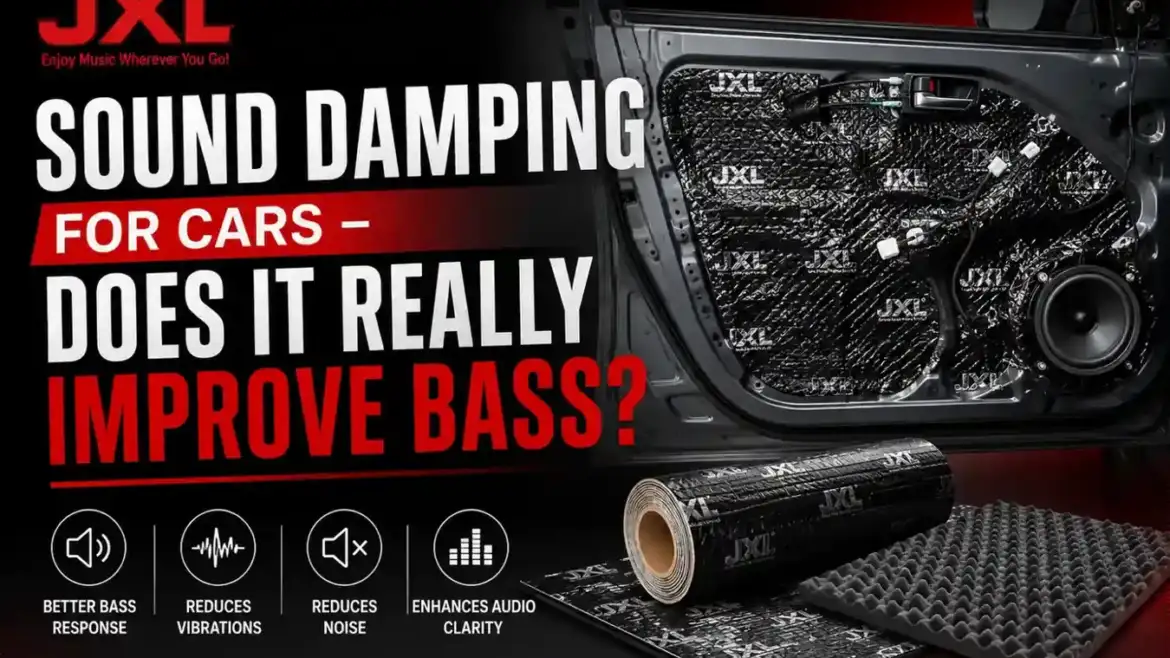
A premium car audio experience is not only about installing expensive speakers or powerful subwoofers. Many car owners invest in high-end audio systems but still experience vibrations, rattling noises, weak bass response, and poor sound clarity. This is where sound damping for cars becomes extremely important.
In recent years, sound damping has become one of the most recommended upgrades for car audio enthusiasts in India. Whether you own a hatchback, sedan, or SUV, proper sound insulation can significantly improve your in-car entertainment experience. But the big question is — Does sound damping really improve bass?
The answer is yes. When installed correctly, sound damping materials can dramatically enhance bass performance, reduce unwanted vibrations, and create a cleaner, more immersive soundstage inside the vehicle. In this guide, we will explain how car sound damping works, its benefits, and why it plays a crucial role in improving car audio quality.
What is Sound Damping for Cars?
Sound damping for cars refers to the process of applying specialized insulation materials inside vehicle panels to reduce vibrations, road noise, and unwanted resonance.
These damping materials are usually installed on:
- Car doors
- Floor panels
- Roof
- Boot/trunk area
- Firewall
- Wheel arches
The primary purpose of sound damping is to create a more acoustically stable environment for the car audio system.
Popular sound damping materials include:
- Butyl rubber sheets
- Aluminum damping mats
- Acoustic foam
- Sound deadening sheets
These materials absorb vibrations and prevent metal panels from resonating when bass frequencies hit.
Does Sound Damping Really Improve Bass?
Yes, sound damping can significantly improve bass response in a car audio system.
Without damping, car doors and panels vibrate excessively when speakers produce low frequencies. These vibrations create distortion and reduce the clarity of bass output.
When sound damping sheets are installed:
- Vibrations are minimized
- Door panels become more rigid
- Bass becomes tighter and deeper
- Audio clarity improves
- Unwanted rattling noises disappear
Instead of losing bass energy through vibrating metal panels, the sound stays controlled inside the cabin.
As a result, the listener experiences:
- Cleaner low frequencies
- Better punchy bass
- Improved sound staging
- Higher audio efficiency
You Can Also Read: Best Android Car Player in India 2026
How Sound Damping Works in Car Audio Systems?
To understand the benefits, it is important to know how sound behaves inside a vehicle.
Car doors are made from thin metal sheets that naturally vibrate when speakers produce bass. These vibrations interfere with audio performance and create resonance.
Sound damping materials work by:
- Absorbing vibration energy
- Increasing panel density
- Reducing resonance
- Blocking external road noise
This creates a sealed and acoustically stable environment for speakers to perform efficiently.
Think of it like converting a hollow vibrating box into a solid speaker enclosure.
Major Benefits of Sound Damping for Cars
1. Improved Bass Response
This is the biggest reason why people install sound damping sheets.
The bass becomes:
- Deeper
- Tighter
- More controlled
- Less distorted
Subwoofers and component speakers perform much better after proper damping installation.
2. Reduced Door Vibrations
One common problem in car audio systems is rattling door panels during high-volume playback. Sound deadening sheets reduce these vibrations and create a more premium feel inside the car.
3. Better Sound Clarity
When unwanted noise and resonance are minimized, vocals and instrument separation become much clearer.
This improves:
- Mid-range performance
- Treble clarity
- Overall listening quality
4. Lower Road Noise
Sound damping not only improves music quality but also reduces:
- Tire noise
- Engine vibrations
- External traffic sounds
This creates a quieter and more comfortable driving experience.
5. Enhanced Speaker Performance
Even budget car speakers can sound significantly better after proper sound damping installation. This is because speakers perform best in a controlled acoustic environment.
Which Areas Should Be Sound Dampened?
Different areas of the vehicle contribute differently to audio performance.
Car Doors
Doors are the most important area for sound damping because speakers are usually installed there.
Door damping improves:
- Mid-bass response
- Vocal clarity
- Speaker efficiency
Boot or Trunk Area
If your car has a subwoofer or bass tube, damping the boot area helps reduce rattling and improves bass depth.
Floor Panels
Floor damping helps reduce road noise and cabin vibrations.
Roof Insulation
Roof damping minimizes heat and external environmental noise.
Firewall
Firewall damping reduces engine noise entering the cabin.
Is Sound Damping Worth It for Indian Roads?
Indian roads often generate:
- High tire noise
- Vibrations
- Traffic sounds
- Uneven surface resonance
Because of these conditions, sound damping becomes even more effective and noticeable in Indian vehicles.
For car owners who regularly drive in city traffic or highways, damping can make the cabin feel more premium and refined.
Can Sound Damping Improve Factory Speakers?
Yes, even factory-installed speakers can sound much better after damping.
Many users upgrade speakers first but ignore acoustic treatment. In reality, sound damping is one of the most cost-effective upgrades for improving factory car audio systems.
Benefits include:
- Better bass
- Reduced distortion
- Improved loudness
- Cleaner vocals
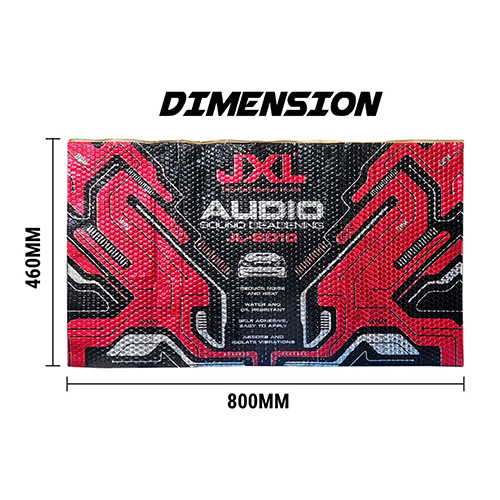
SOUND DEADENING SHEET JL-S010 (2.2MM)
SOUND DEADENING SHEET JL-S010 (2.2MM)
• 2.2mm single sheet thickness
• Heavy duty aluminium foil and butyl rubber layers
• 2.2mm single sheet thickness
• High noise vibration damping performance
• Improves bass response and sound clarity
• Strong self adhesive backing
• 460 x 800 mm large sheet size
• Heat resistant & thermal insulation support
Things to Consider Before Installing Sound Damping
Before purchasing sound damping sheets, keep these factors in mind:
Material Quality
Choose high-quality butyl rubber damping sheets instead of low-grade asphalt materials.
Good quality damping materials:
- Last longer
- Resist heat
- Provide better vibration control
Proper Installation
Incorrect installation can reduce effectiveness.
Professional installation ensures:
- Full panel coverage
- Proper sealing
- Better acoustic performance
Weight Addition
Sound damping adds some extra weight to the car. However, premium damping materials are designed to balance performance and weight efficiently.
Is Sound Damping Necessary for Premium Audio Systems?
If you are investing in:
- Component speakers
- Amplifiers
- Subwoofers
- Android stereos
- DSP tuning
then sound damping is highly recommended. Without damping, even expensive audio equipment may not perform to its full potential.
Most professional car audio installers consider damping an essential part of a proper sound system setup.
Conclusion
So, does sound damping for cars really improve bass? Yes significantly.
Sound damping enhances bass quality by reducing vibrations, controlling resonance, and improving overall acoustic performance inside the vehicle. Whether you use factory speakers or premium car audio systems, proper damping can make your music sound cleaner, deeper, and more immersive.
In addition to better bass, sound damping also improves cabin comfort, reduces road noise, and creates a more refined driving experience. For car owners looking to upgrade their sound system intelligently, sound damping is one of the best investments you can make.
Frequently Asked Questions
1. Does sound damping improve bass in cars?
Yes, sound damping reduces vibrations and resonance, allowing bass frequencies to sound tighter, deeper, and clearer.
2. Which area is most important for sound damping?
Car doors are the most important area because speakers are usually installed there and door vibrations directly affect sound quality.
3. Can sound damping reduce road noise?
Yes, sound damping materials help block tire noise, engine vibrations, and external traffic sounds, making the cabin quieter.
4. Is sound damping useful for factory speakers?
Absolutely even factory-installed speakers perform better with proper damping because it improves acoustic stability.
5. How long does car sound damping last?
High-quality butyl rubber sound damping sheets can last for many years without melting or losing effectiveness.